

Supported Independent Living (SIL)
We Love
NDIS
Looking for NDIS Respite Care in Brookfield?
Get personalised respite care and disability support designed around your needs. Whether you need short-term support, a break for your carer, or assistance with daily activities, Kin Makers is here to help.
Ready to discuss your support needs? Please use our form to get in touch with our team today. We’ll get back to you to discuss your needs and how our NDIS respite care services in Brookfield may be able to support you.
Get in touch
What Is Supported Independent Living?

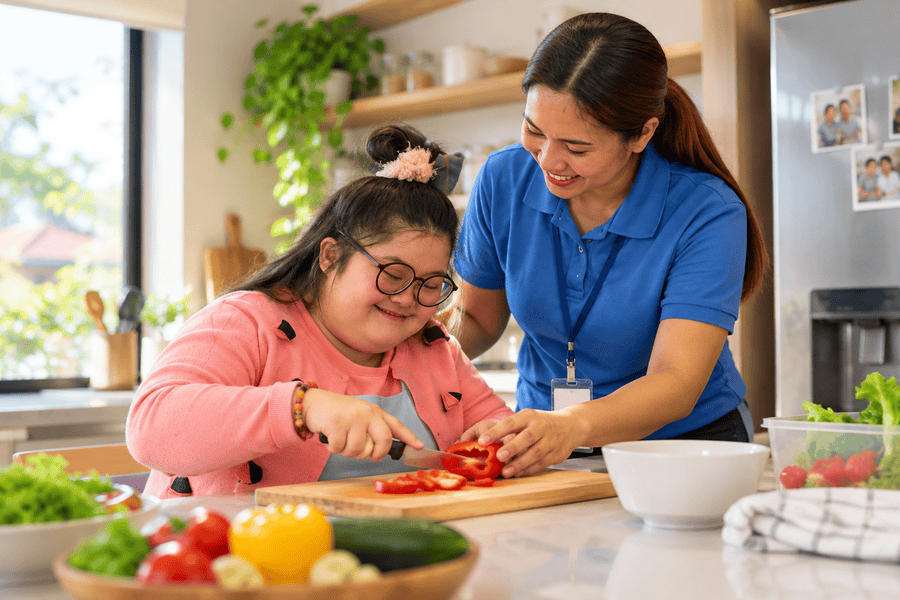
Supported Independent Living is an NDIS support designed for people who require assistance with everyday living. It can involve support with activities such as developing daily living skills, managing routines, preparing for community participation, and completing other tasks that help a person live more independently.
SIL is generally associated with shared living arrangements, although the support a person receives depends on their individual circumstances, needs, goals and NDIS plan. The purpose is not simply to provide care, but to support people to develop greater independence while maintaining choice and control over their daily lives.
People considering SIL may also want to understand other forms of disability services available to them. Different supports can serve different purposes, so it is important to consider what assistance is appropriate for the person’s individual situation.
Who May Consider SIL?
SIL may be considered by people with disability who need regular support with everyday living and want to develop or maintain greater independence. The type and level of support required can vary considerably from one person to another.
When considering SIL, participants and their support networks may look at factors such as:
- The level of assistance required with everyday activities
- Personal goals and preferences
- Existing independent living skills
- Support needs and routines
- Community participation goals
- Personal safety and wellbeing considerations
- The type of living arrangement that may be suitable
SIL suitability and funding depend on individual circumstances and the participant’s NDIS plan. A person should consider their specific needs and discuss their support requirements with the appropriate NDIS and support professionals.
What Can Supported Independent Living Involve?

The practical support provided through SIL can vary depending on the participant and their goals. Support may focus on helping a person manage everyday routines while developing skills and confidence to participate more independently in their home and community.
Examples of areas that may be relevant include:
- Developing everyday living skills
- Following personal routines
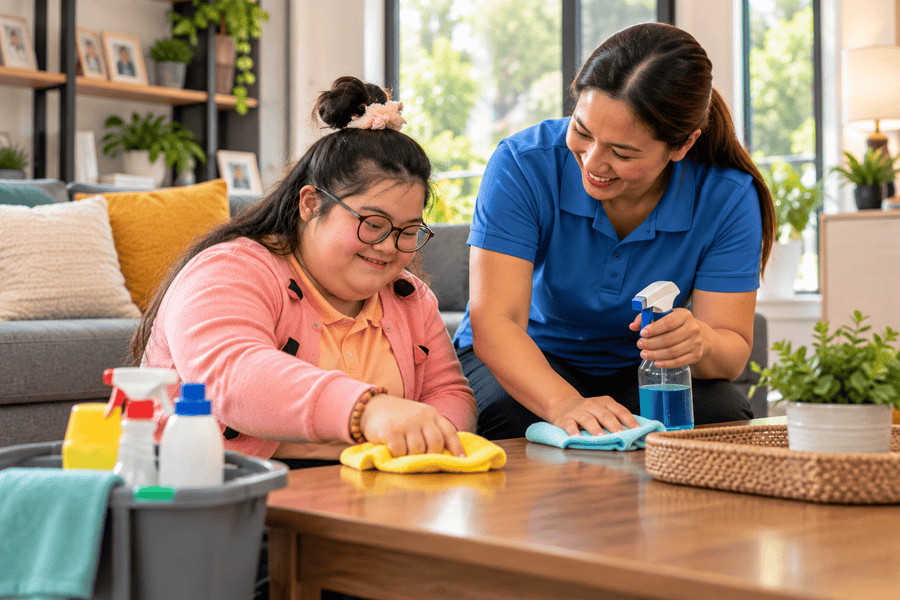
- Assistance with household activities
- Building confidence with daily tasks
- Preparing for community participation
- Developing skills for greater independence
- Support with planning and organising everyday activities
The focus should remain on the individual rather than applying the same approach to every participant. A person-centred approach recognises that people have different preferences, abilities, routines and goals.
How SIL Can Support Greater Independence
Independence can mean different things for different people. For one participant, it may involve learning to manage a household routine. For another, it may mean becoming more confident with community participation or making more decisions about their everyday life.
Supported Independent Living can provide an environment where participants receive appropriate assistance while continuing to practise skills and make choices. The aim is to support participation and independence rather than unnecessarily taking over tasks that a person can complete themselves.
Depending on individual needs and goals, support may involve gradually developing confidence with everyday activities. This can help participants take a more active role in their routines and decisions.
SIL and Daily Living Activities
Daily living activities are an important part of independent living. Participants may need different levels of assistance depending on their abilities, preferences and circumstances.
Support may relate to activities such as maintaining routines, completing household tasks, organising everyday responsibilities or developing practical skills. The appropriate approach should encourage participation and provide assistance where it is genuinely needed.
For someone considering SIL, it can be useful to identify which activities they can already manage independently and where additional assistance may be helpful. This can provide a clearer picture of the type of support they may require.

Choosing Supported Independent Living in Melbourne
Choosing SIL is an important decision because the support arrangement should fit the participant’s individual needs, preferences and goals. People researching SIL providers in Melbourne may benefit from asking detailed questions before making a decision.
Consider asking a prospective provider about:
- How they approach person-centred support
- How participant preferences and goals are incorporated into support
- What types of everyday living assistance are available
- How they encourage independence and choice
- How they support community participation
- How they communicate with participants, families and relevant support networks
- How they approach changes in a participant’s support needs
It can also be helpful to discuss what is important to the participant personally. A suitable support arrangement should reflect the person’s lifestyle, routines, goals and preferences rather than focusing only on the services available.
Supported Independent Living in Brookfield and Western Melbourne
p>For participants in Brookfield, Melton and surrounding areas, local considerations may be an important part of exploring supported independent living. Everyday independence can include being connected with the local community and participating in activities that are meaningful to the individual.
Kin Makers is based in Brookfield and has a strong focus on creating meaningful experiences and relationships. Its approach to disability support is centred on helping people live with greater independence, build relationships, participate in their community and enjoy meaningful experiences.
Participants looking for supported independent living in Melbourne can consider how a provider’s approach aligns with their personal goals, preferred routines and support needs. Local knowledge and an understanding of the participant’s community can also be relevant when planning everyday activities and participation.
Kin Makers’ Approach to Supported Independent Living
Kin Makers was established from an understanding that disability support should be about more than providing care. The organisation aims to create an environment where people can live, take positive risks, build relationships, participate in their community and enjoy meaningful experiences.
Its person-centred approach places importance on individual preferences, dignity, choice and independence. This means support should be shaped around the person and their goals rather than applying a one-size-fits-all approach.
For participants exploring SIL, Kin Makers can help provide practical disability support that aligns with the individual’s circumstances and focus on greater independence. The specific supports available should be discussed with Kin Makers based on the participant’s needs and goals.
Understanding SIL Funding and Eligibility
SIL is an NDIS support, but not every participant will automatically have SIL funding in their plan. Whether SIL is appropriate depends on the participant’s circumstances, support needs, goals and NDIS plan.
Participants considering SIL should understand what their plan includes and whether the support aligns with their identified needs. Funding arrangements can be individual, so it is important not to assume that a particular accommodation or support arrangement will automatically be funded.
If you are exploring your options, you can discuss your circumstances with the relevant NDIS professionals and potential providers before making decisions about your support arrangements.
Preparing to Explore SIL
Preparing your priorities before contacting an SIL provider can make conversations more useful. Consider what you would like to achieve, where you currently need assistance and which aspects of independent living are most important to you.
- Identify the everyday activities where support may be required.
- Consider your personal goals and preferred routines.
- Think about the type of living environment that may suit you.
- Prepare questions for potential SIL providers.
- Review your NDIS plan and relevant support requirements.
- Discuss your options with your support network and appropriate professionals.
Taking time to understand your options can help you make an informed decision about the type of support that may suit your circumstances.
Why Person-Centred Support Matters
Every person has different strengths, preferences, routines and goals. Person-centred disability support recognises these differences and aims to provide assistance that respects the individual rather than defining them by their disability.
For SIL, this approach is particularly important because everyday support can become part of a person’s regular routine. Participants should have opportunities to express their preferences, make choices and take an active role in decisions about their lives wherever possible.
Kin Makers’ focus on meaningful experiences and relationships reflects its broader goal of supporting people to develop independence, confidence, connection and a sense of belonging.

Frequently Asked Question
What is Supported Independent Living?
Supported Independent Living is an NDIS support option for people with disability who need regular assistance with everyday living and want to develop or maintain greater independence.
Who may be suitable for Supported Independent Living?
SIL may be considered by people with disability who require regular support with everyday living. Suitability depends on the person’s individual circumstances, support needs, goals and NDIS plan.
What can SIL support include?
SIL support can involve assistance with everyday routines, household activities, developing living skills, community participation and other areas of daily living, depending on the participant’s individual needs and goals.
Is Supported Independent Living automatically funded by the NDIS?
No. SIL is not automatically funded for every NDIS participant. Whether SIL is appropriate depends on individual circumstances, support needs, goals and the participant’s NDIS plan.
Does Kin Makers provide Supported Independent Living?
Kin Makers supports people with disability through person-centred support focused on independence, choice, relationships and meaningful experiences. Participants can discuss their individual circumstances and support needs with Kin Makers to understand whether its available support is suitable for them.